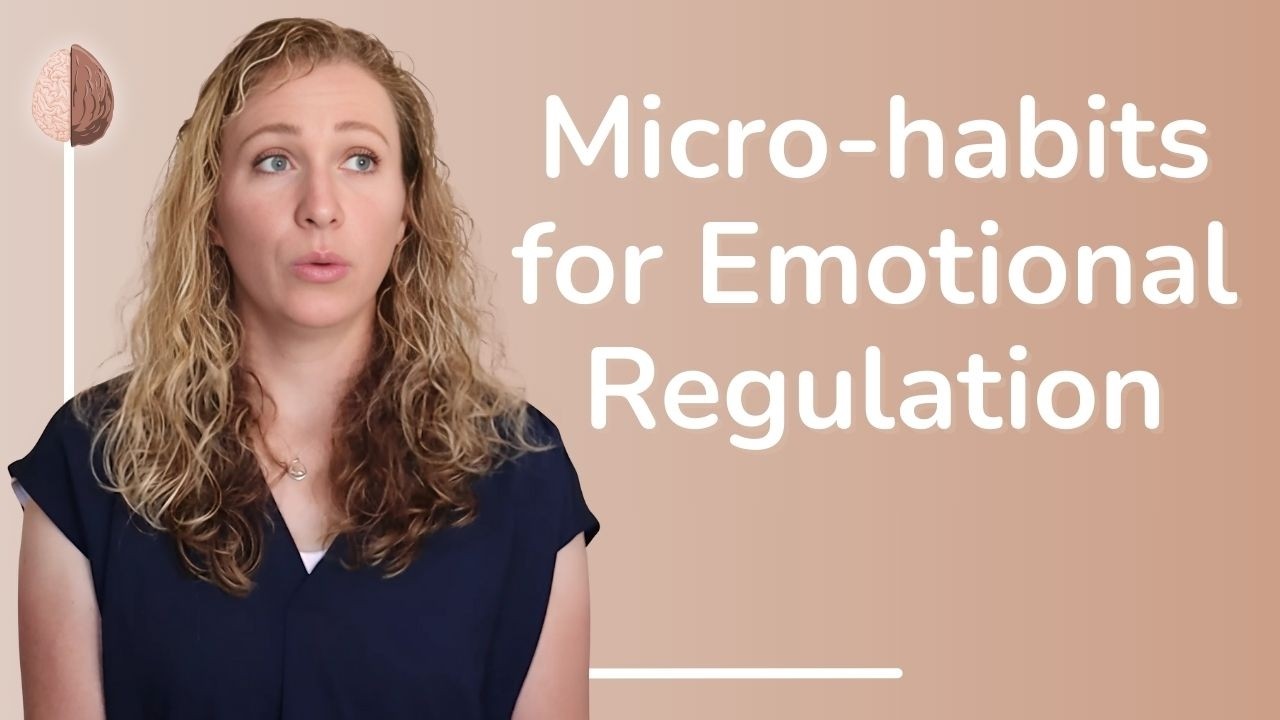
When you are triggered or your body feels overwhelmed, you need good habits established to manage stress and stacked stressful energy or anxiety. You also need habits for when you are prone to shut down and dissociation. Here is a good video that has some great ideas. There are some religious suggestions such as prayer, but not intrusive.
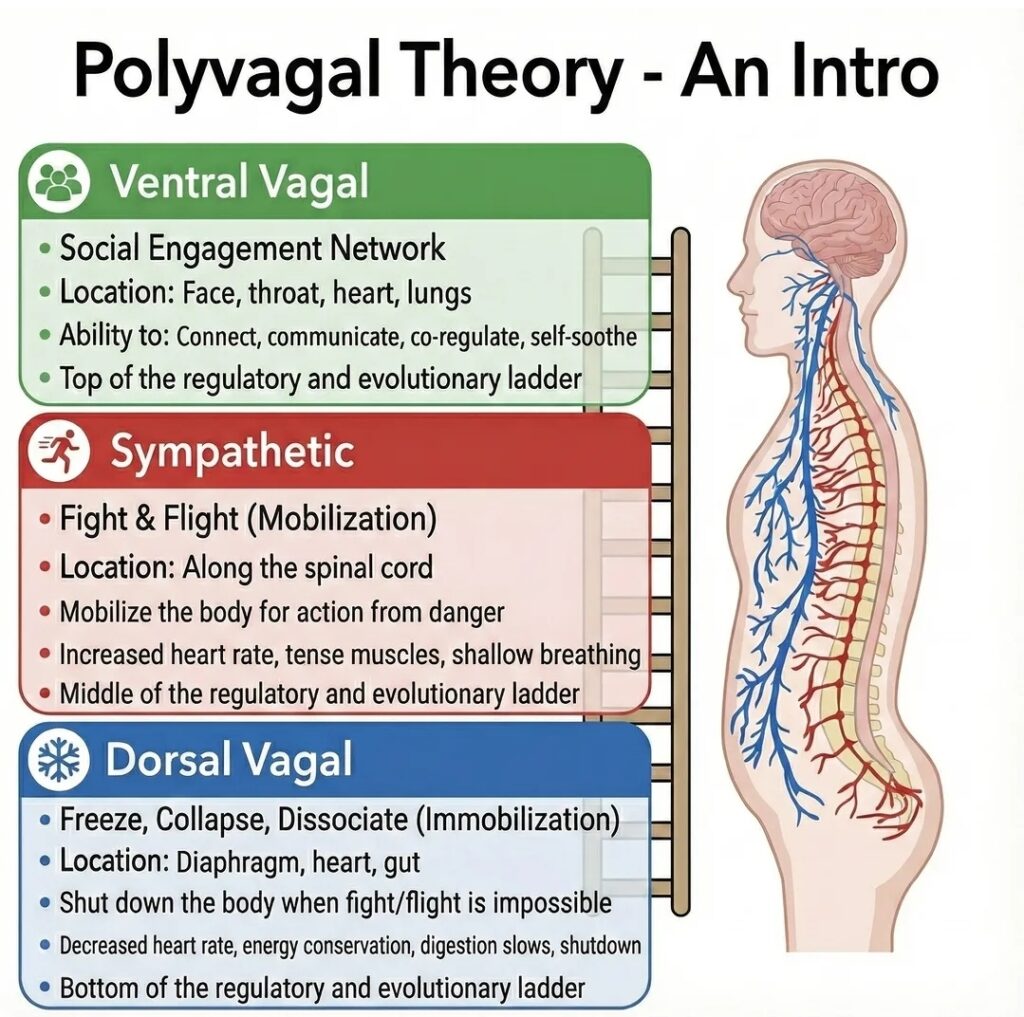
We are now learning that emotional dysregulation, PTSD responses, stress responses all are managed best by learning how to calm your nervous system. You may have heard of Polyvagal theory, which addresses how the vagus nerve and autonomic nervous system affect your ability to think, feel, and speak at the same time. This basic exercise can help you if you practice it several times a day to generally calm your nervous system and avoid the build up of stress.
Scan your body for tense muscles.
Release each tight muscle group (tighten/release, shake it out)
Breathe slowly in through your nose a few seconds, hold for a few seconds, then exhale from your mouth like blowing slowly out a straw. This stimulates the top of the vagus nerve and tells your body, “I’m safe, relax”.
Check out this wonderful article showing 6 ways you can connect better with your child. These align closely with how Mind Play works with parents and kids to be better together
This video with Dr. Andrew Huberman and Dr. Becky Kennedy about how we can be better parents by saying “I believe you…”. Watch all the way through and make a difference.